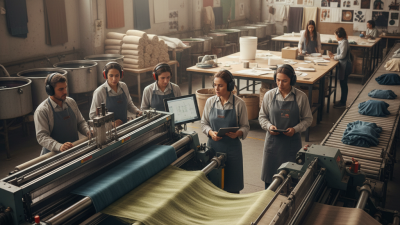
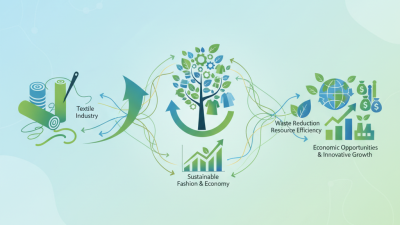
The textile industry is undergoing a significant transformation. Sustainable practices are at the forefront of this change. According to a report by McKinsey & Company, consumer demand for sustainable products is growing, with 67% of consumers considering environmental impact in their purchases. The shift towards sustainable fashion is not merely a trend; it has become an expectation.
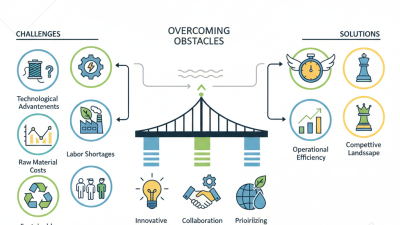
Innovations are key to this shift. The rise of eco-friendly materials, like organic cotton and recycled fibers, highlights the industry’s shift toward sustainability. Still, challenges remain. The production processes are often energy-intensive and may not be entirely green yet. Research shows that only 27% of fashion brands have significant sustainability initiatives in place. This statistic urges the need for more efforts and critical reflection on current practices.
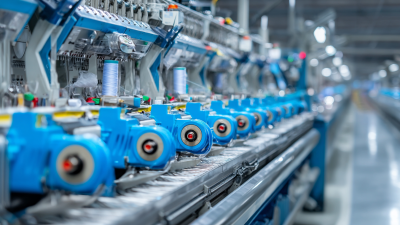
A sustainable future for the textile industry hinges on collaboration and innovation. New technologies, like digital printing and 3D knitting, may reduce waste and improve efficiency. However, the pace of change varies widely among brands. As we explore the trends for 2026, it’s essential to question how the industry can better align with sustainability goals. The journey towards sustainable fashion is still evolving, and we must keep striving for improvement.
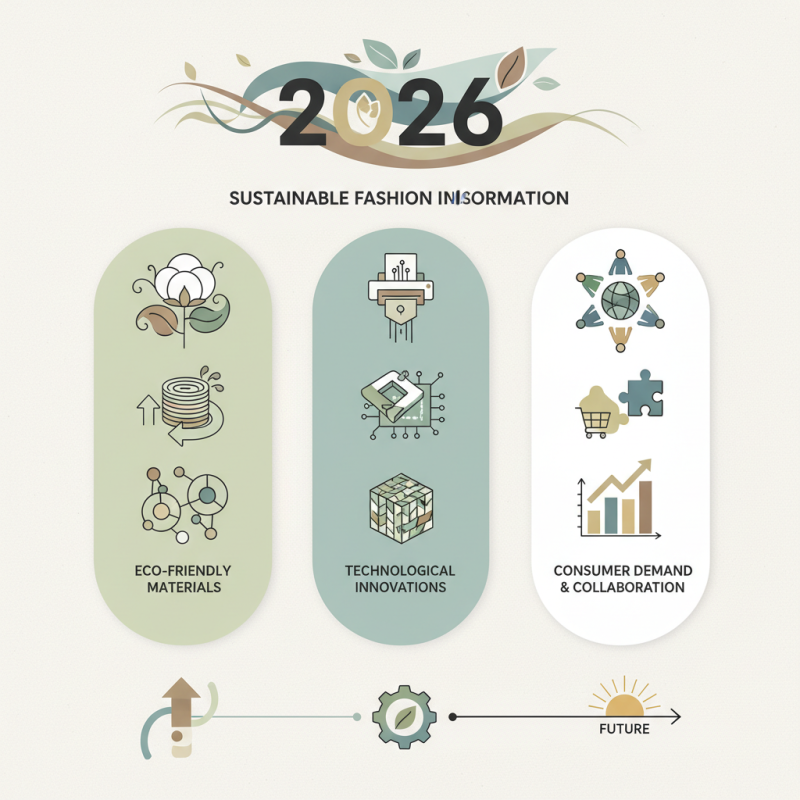
The textile industry is experiencing a transformation with sustainable materials taking center stage. Innovations are reshaping how textiles are produced. Natural fibers, like organic cotton and bamboo, are gaining popularity. These materials reduce environmental impact and are biodegradable. However, they still require careful farming practices. This raises questions about resource use and soil health.
Recycled materials are also emerging as key players. Fabric made from post-consumer waste offers a second life to discarded items. Yet, challenges remain in sourcing these materials consistently. The quality can vary, and not all recycled fabrics are created equally. This inconsistency can hinder wider adoption in fashion.
Biofabrication is another exciting avenue. Scientists are creating textiles from fungi and algae. These processes can be efficient and environmentally friendly. However, this technology is still in its infancy. There’s much to learn about scalability and production costs. Experimentation is essential. The journey toward sustainable fashion is filled with potential and obstacles.
Circular fashion models are gaining traction as the textile industry seeks sustainability. These models focus on recycling materials and reducing waste. Innovative solutions are emerging, where designers create garments that can be easily disassembled. This allows for materials to be reused or repurposed.
Tips: Consider purchasing second-hand clothing. It’s a simple way to contribute to circular fashion. Repairing or upcycling old items can also spark creativity. Take the time to explore local repair shops or DIY projects at home.
While these innovations show promise, not all solutions are flawless. Some materials may be less durable than traditional fabrics. This raises questions about long-term use. Transparency in sourcing and production is also a challenge. Consumers need clear information to make informed choices.
Tips: Stay informed about the lifecycle of your clothing. Research materials and their environmental impact. Engage with brands that prioritize sustainability and ethical practices.
This chart represents the projected adoption rates of various sustainable fashion innovations in the textile industry by 2026. The trend highlights the increasing focus on circular fashion models and innovative textile solutions aimed at reducing waste.
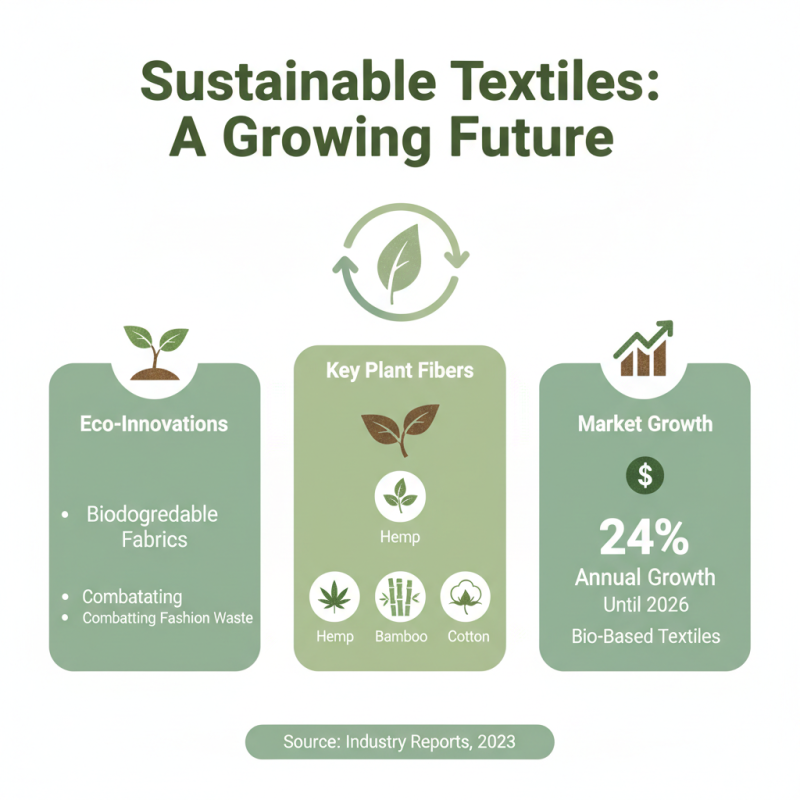
The textile industry is undergoing a significant transformation. Biodegradable textiles offer promising solutions for sustainable fashion. Plant-based fibers like hemp, bamboo, and organic cotton are gaining traction. Reports indicate that the market for bio-based textiles is projected to grow by 24% annually until 2026.
Plant fibers possess unique qualities. They require less water than conventional cotton. For instance, hemp needs only one-third of the water consumed by traditional cotton plants. This impressive efficiency highlights a clear advantage in sustainable practices. Furthermore, plant-based fibers can often be produced without harmful chemicals. However, scalability remains a challenge. Producers struggle to meet the rising demand while maintaining sustainability.
Consumer awareness is changing rapidly. Sustainable options are now a priority for many shoppers. A recent survey highlighted that 73% of consumers are willing to pay more for eco-friendly products. Yet, educating consumers about the benefits and limitations of bio-based textiles is crucial. Misconceptions linger about durability and cost. Bridging this gap can enhance consumer confidence in these materials. As the industry evolves, embracing both innovation and responsibility is essential.
The textile industry is undergoing a transformation. Technological integration plays a crucial role in driving sustainable fashion innovations. Smart textiles are at the forefront of this shift. They adjust to environmental changes, reducing waste and energy consumption.
A report from the Textile Research Journal indicates that smart textiles could cut energy usage by up to 30%. These materials often incorporate sensors and fabrics that react to temperature and humidity. It’s a leap towards more efficient production methods. Yet, challenges remain. Many smart fabrics are still costly to produce and maintain. This raises questions about accessibility in the market.
Tips: Consider investing in education on smart textiles. Understanding this technology can lead to better decision-making. Collaborate with manufacturers to adopt sustainable practices. This could solidify a brand’s commitment to eco-friendly choices. The shift to smart textiles is essential but also complex. Industry players must navigate these difficulties if they truly want to embrace sustainability.
| Trend | Description | Environmental Impact | Technological Integration | Future Potential |
|---|---|---|---|---|
| Recycled Fiber Usage | Increasing use of recycled fibers, reducing waste and resource consumption. | Lower carbon footprint and decreased landfill waste. | Integration of advanced recycling technologies. | High, as consumer demand for sustainable products rises. |
| Smart Textiles | Textiles embedded with sensors to monitor performance and environmental conditions. | Potentially reduces resource waste by optimizing usage. | Utilization of IoT technology for data collection. | Moderate to high, as innovations continue to develop. |
| Biodegradable Materials | Development of textiles that can naturally decompose after use. | Significantly decreases pollution and landfill contributions. | Integration of bioengineering techniques in material production. | High, especially with increasing regulations on waste. |
| Waterless Dyeing Technology | Techniques that eliminate or reduce water usage in textile dyeing. | Drastically cuts down water consumption and pollution. | Incorporation of innovative dyeing methods, such as digital printing. | High, given the global water scarcity concerns. |
| Virtual Fashion | Digital clothing for avatars and online environments. | Reduces physical production and resource use. | Utilization of AR and VR technologies for marketing and sales. | Moderate, relies on consumer acceptance of digital fashion. |
Consumer engagement has become pivotal in the landscape of sustainable fashion. Many shoppers are increasingly aware of the environmental impacts of their choices. They seek transparency and ethics from the brands they support. This awareness drives conversations about sustainability. But how deep does this understanding go?
There is a growing desire for more than just eco-friendly products. Consumers want to know the story behind each garment. They are interested in sourcing, production methods, and fair labor practices. However, the challenge remains: misinformation is prevalent. Many brands promote themselves as sustainable without fully committing. This can lead to consumer frustration. People demand authenticity but often get vague claims.
Change is happening, yet obstacles persist. Sustainable fashion is still a niche market, with many consumers hesitant to pay a premium. Awareness is one thing; action is another. There is a gap between knowledge and buying behavior. As brands navigate these trends, they must prioritize real engagement over mere marketing. True innovation in sustainable fashion requires collaboration between consumers and brands. The future hinges on meaningful conversations and shared values.