What is Pa6 Nylon Pipe and Its Applications in Industries?
In the evolving landscape of industrial materials, the Pa6 Nylon Pipe stands out due to its versatility and strength. Experts like Dr. Emily Carter, a leading polymer engineer, emphasize the impact of this material by stating, "Pa6 Nylon Pipe is revolutionizing fluid handling in various industries." This innovative pipeline is widely used across sectors, from automotive to electronics.
Its unique properties, such as excellent chemical resistance and high tensile strength, make Pa6 Nylon Pipes invaluable. These pipes offer a practical solution for transporting fluids, especially in harsh environments. Industries rely on these pipes for their durability and reliability, enhancing operational efficiency.
However, the use of Pa6 Nylon Pipe is not without challenges. Issues like potential degradation under extreme conditions need attention. Proper installation and maintenance are critical. It's essential to continuously evaluate the material's performance to ensure it meets industry standards. As we explore more about Pa6 Nylon Pipe, we must embrace both its advancements and limitations.
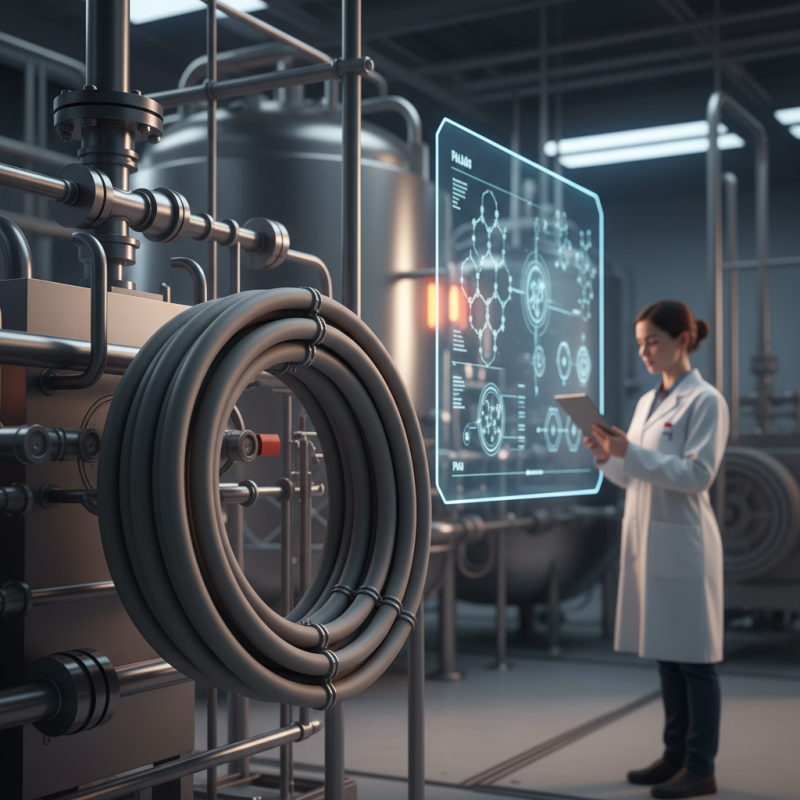
Definition and Composition of PA6 Nylon Pipe
PA6 nylon pipe, known for its strength and versatility, is made from polyamide 6. This material is synthesized through the polymerization of caprolactam. The resulting pipe exhibits excellent chemical resistance and mechanical properties. Its lightweight nature makes it suitable for various applications.
Industries that utilize PA6 nylon pipe include automotive, chemical processing, and electronics. Its resistance to temperature and abrasion ensures longevity in harsh environments. Engineers often favor PA6 for hydraulic systems and other fluid transport. However, while PA6 presents many advantages, it does have limitations. UV exposure can weaken its structure over time. Additionally, care must be taken in high-temperature applications to prevent deformation.
When examining PA6 nylon pipe, understanding its composition is crucial. The polymer’s molecular structure contributes to its unique qualities. Yet, not every application benefits from PA6. Certain conditions may lead to failure or reduced performance. This realization encourages constant evaluation of material choices in engineering design.
Applications of PA6 Nylon Pipe in Various Industries
PA6 Nylon pipes are widely utilized across various industries due to their excellent strength, durability, and versatility. This bar chart illustrates the distribution of applications across five key industries, highlighting automotive and electronics as the leading sectors for PA6 Nylon pipe usage.
Properties and Characteristics of PA6 Nylon
PA6 nylon, or polyamide 6, is a synthetic polymer widely used in various industries. Its impressive properties make it a top choice for many applications. PA6 exhibits exceptional strength and toughness, often outperforming other materials in demanding environments. This nylon variant is also known for its excellent resistance to abrasion and impact. According to industry reports, these characteristics lead to a performance increase of up to 40% in mechanical applications compared to other plastics.
One of the notable features of PA6 nylon is its moisture absorption. While this can enhance its dimensional stability, it can also detract from its overall performance in certain applications. In sectors like automotive and electronics, the need for lightweight yet durable materials is growing. Industry data indicates that the demand for PA6 components can rise by 18% annually in these sectors. However, its hydrophilic nature could be a drawback in outdoor applications, where exposure to moisture is inevitable.
The thermal resistance of PA6 nylon is another critical factor. It can withstand temperatures up to 120°C without significant loss of mechanical properties. This factor makes it suitable for applications such as gears, bearings, and various automotive parts. Yet, it's essential to consider that high temperatures can lead to thermal degradation over time. Continuous advancements in material science aim to address these challenges by improving the overall stability and performance of PA6 nylon in real-world settings.
What is Pa6 Nylon Pipe and Its Applications in Industries? - Properties and Characteristics of PA6 Nylon
| Property | Description |
| Material Composition | Polyamide 6 (PA6), a type of synthetic polymer. |
| Density | Approximately 1.13 g/cm³. |
| Melting Point | Around 220-225°C (428-437°F). |
| Tensile Strength | Approximately 60-90 MPa. |
| Chemical Resistance | Good resistance to oils, fuels, and various solvents. |
| Applications | Used in automotive, electrical, textiles, and fluid transfer systems. |
Applications of PA6 Nylon Pipe Across Various Industries
PA6 Nylon pipe, made from polyamide 6, has gained popularity across various industries due to its unique properties. This material is known for its strength, flexibility, and resistance to abrasion. According to industry reports, the global nylon market is projected to reach approximately $30 billionby 2025, indicating the rising use of products like Pa6 Pipes.
In the automotive sector, PA6 nylon pipes are used for fuel and oil transport. They withstand high temperatures and pressures. A study by Grand View Research shows that the automotive segment held over 30% of the nylon market share in 2020. Its lightweight nature contributes to fuel efficiency, which is crucial for manufacturers focused on sustainability.
In construction, PA6 pipes find applications in plumbing and drainage systems. Their resistance to chemicals makes them ideal for various environments. A notable trend is the growing demand for sustainable materials in construction, with PA6 being a viable option. However, challenges like the environmental impact of nylon production need addressing. Sustainable practices should be adopted for a greener future in industrial applications.
Advantages of Using PA6 Nylon Pipe Over Other Materials
PA6 nylon pipe is gaining traction in various industries due to its unique properties. This material offers excellent chemical resistance and is lightweight, making it easier to install and transport. Its exceptional tensile strength translates into durability, which is crucial for high-pressure applications. Reports indicate that PA6 nylon pipes can withstand pressures exceeding 15 bar, making them suitable for both industrial and commercial applications.
One significant advantage is its resistance to abrasion. According to industry studies, PA6 nylon pipes can endure harsh conditions without significant wear. This translates to lower maintenance costs over time. Additionally, PA6 has superior thermal stability, which enhances its performance in extreme temperature conditions. Many engineers prefer it for applications in automotive and manufacturing sectors.
Tips: When selecting materials, consider the working conditions. PA6 works well in environments exposed to chemicals. Always ensure compatibility with your specific application. Pay attention to installation processes; improper handling may lead to future issues.
The flexibility of PA6 nylon also sets it apart from metal counterparts. This feature allows it to bend without breaking, offering greater design options. However, it’s essential to evaluate long-term durability versus initial costs. While PA6 offers many benefits, potential buyers should assess specific needs and any limitations in performance for their projects.
Installation and Maintenance Considerations for PA6 Nylon Pipes
PA6 nylon pipes, known for their strength and chemical resistance, require careful installation and maintenance to ensure optimal performance. These pipes are made from polyamide 6, which offers excellent durability in diverse environments. According to a report by the Plastics Industry Association, nylon pipes often outlast other materials, especially in demanding applications such as automotive and construction.
When installing PA6 nylon pipes, it’s crucial to consider thermal expansion. These pipes expand with heat, which can lead to stress if improperly fitted. The recommended practice is to use appropriate expansion joints. Additionally, correct alignment is vital to prevent leaks and structural failure. The American Society for Testing and Materials (ASTM) suggests regular inspections to identify wear and potential weaknesses.
Maintenance is equally important for longevity. Regular cleaning can prevent buildup that might block flow. A study by the Institute of Materials indicates that maintaining proper pressure can enhance the lifespan of PA6 nylon systems. Neglecting these factors can lead to premature failures, which involve significant repair costs. Implementing a routine maintenance schedule ensures reliability and performance in the long run.


 No. 85 “Alexander Malinov” Blvd,
1715 Sofia, Bulgaria
No. 85 “Alexander Malinov” Blvd,
1715 Sofia, Bulgaria +359 2 953 0387
 sale@chemicalmojo.com