What is Polyester Staple Yarn and Its Applications in Textiles?
Polyester staple yarn is a key textile material widely used in the fashion industry. According to a report by the Textile Industry Association, its global market size was valued at approximately $58 billion in 2022. This underscores the significant demand for polyester staple yarn, driven by its durability and versatility.
This yarn is produced from polyester fibers and is used in various applications, including clothing, upholstery, and industrial textiles. Reports indicate that around 30% of all textile fibers used globally are made from polyester. Despite its popularity, there are ongoing concerns regarding its environmental impact. For instance, the production of polyester emits considerable greenhouse gases. Additionally, the yarn is often criticized for contributing to plastic pollution.
Innovative solutions are emerging in sustainability, but challenges remain. The balance between material efficiency and environmental responsibility needs further exploration. Embracing recycled polyester as a raw material could pave the way for a greener future. Yet, significant investment in technology and infrastructure is necessary to maximize these benefits. As the industry evolves, polyester staple yarn's role will remain crucial, but reflection on its environmental footprint is essential.
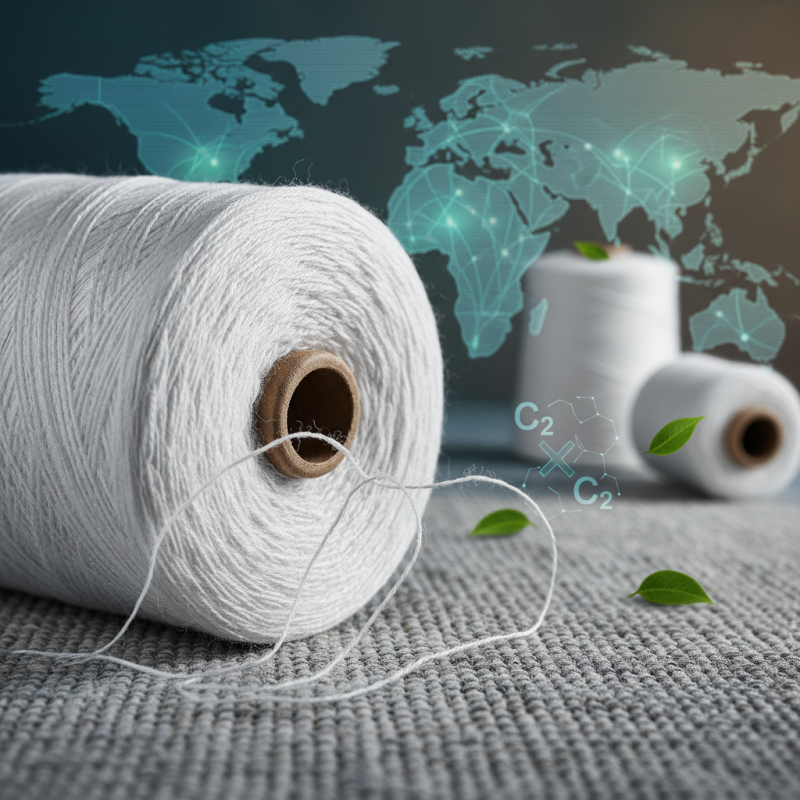
Definition and Characteristics of Polyester Staple Yarn
Polyester staple yarn (PSY) is a key component in the textile industry. It is created from short lengths of polyester fibers, which are spun together to form a continuous strand. This yarn is widely recognized for its durability and versatility. According to a report from Technavio, the global polyester staple fiber market is expected to grow by over $11 billion from 2020 to 2024. This growth reflects the rising demand for synthetic fibers in various applications.
One of the defining characteristics of PSY is its moisture-wicking ability. It can quickly absorb and release moisture, making it suitable for activewear and home textiles. Its durability ensures that fabrics maintain their strength even after numerous washes. In addition, PSY exhibits excellent resistance to wrinkles and shrinking. These properties make it a preferred choice for manufacturers. However, the sustainability aspect of synthetic fibers often raises concerns. Consumers increasingly seek eco-friendly alternatives, prompting industry reflection on biodegradable options.
Applications of PSY extend beyond clothing. It is often used in upholstery, carpeting, and non-woven products. However, the environmental impact of polyester production cannot be overlooked. The energy-intensive processes contribute to carbon emissions, prompting companies to explore more sustainable practices. Data from the World Bank suggests that plastic pollution has surged. This includes polyester and other synthetic fibers, highlighting an area for improvement. Addressing these challenges will be crucial for the future of polyester staple yarn in textiles.
Manufacturing Process of Polyester Staple Yarn
The manufacturing process of polyester staple yarn involves several key steps. The journey begins with the polymerization of terephthalic acid and ethylene glycol. This creates polyester chips, which are then melted and extruded through spinnerets. The resulting filament is cooled and solidified. It’s an efficient process, yet the quality can vary.
After extrusion, the filament undergoes a drawing process. This enhances strength and uniformity. Data from industry reports indicates that this stage is crucial. Well-executed drawing can reduce variations in thickness. However, improper handling can lead to defects, affecting the final product.
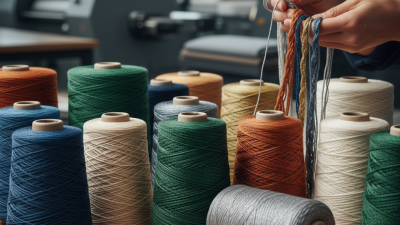
Next, the spun fibers are cut to a specific length to create staple fibers. These are then blended, carded, and spun into yarn. The blending process helps achieve desired characteristics. Yet, balancing material types remains a challenge. A report highlighted that inconsistencies in fiber types can lead to uneven yarn quality. Careful attention is required to optimize the manufacturing process for better results.
Common Applications of Polyester Staple Yarn in Textiles
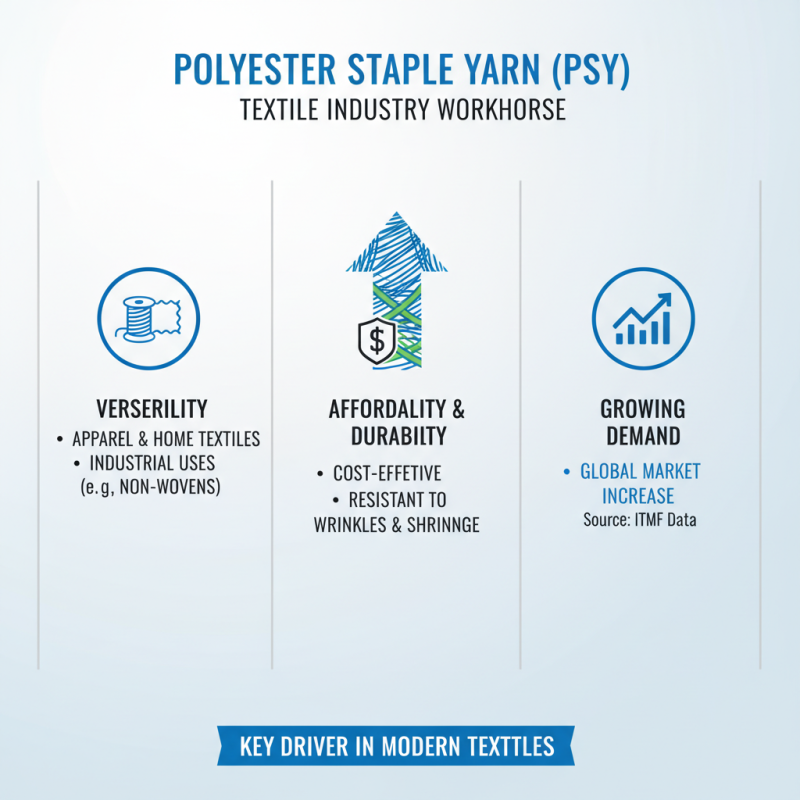
Polyester staple yarn (PSY) is widely used in the textile industry. Its versatility makes it suitable for various applications. Data from the International Textile Manufacturers Federation (ITMF) indicates that the demand for polyester yarn has grown significantly, driven by its affordability and durability.
One common use of PSY is in clothing production. The yarn is often blended with other fibers to enhance comfort and strength. In fact, it constitutes about 30% of the total fiber market, highlighting its importance. Instant fashion trends also favor PSY due to its quick drying properties. This makes it ideal for activewear and athletic gear, meeting the needs of a fast-paced lifestyle.
Another notable application is in home textiles. PSY is found in curtains, upholstery, and carpets. Its resistance to wrinkling and fading is a major benefit. Reports suggest that over 40% of carpet fibers are polyester-based, showcasing its influence in this sector. However, there is an ongoing debate about environmental impacts. While PSY is recyclable, the process is not yet widespread. This poses a challenge for sustainability in the industry as consumers become more eco-conscious.
Advantages of Using Polyester Staple Yarn in Fabric Production
Polyester staple yarn is increasingly popular in textile production. It offers a range of advantages that appeal to manufacturers and consumers alike. One significant benefit is its durability. Fabrics made from polyester are strong and resistant to wear. They have a longer lifespan compared to natural fibers. Additionally, polyester resists shrinking and stretching, maintaining its shape over time.
Another key advantage is its moisture-wicking ability. Polyester can draw moisture away from the skin. This feature makes it ideal for activewear and outdoor clothing. Moreover, the yarn is lightweight and dries quickly. This quick-drying property is essential for those living in humid climates. However, some may find that polyester fabrics can feel less breathable than cotton.
Cost-efficiency is also a notable advantage. Polyester staple yarn is generally less expensive than many natural fibers. This affordability makes it accessible for mass production. However, it’s important to consider environmental impacts. The production of polyester can contribute to pollution. Therefore, manufacturers sometimes grapple with this dilemma. Balancing cost-effectiveness and sustainability remains a challenge in the textile industry.
What is Polyester Staple Yarn and Its Applications in Textiles?
| Dimension |
Details |
| Material Composition |
Polyester (PET) |
| Fiber Length |
Short staple fibers, typically 38mm to 64mm |
| Key Properties |
Durability, moisture-wicking, and good elasticity |
| Applications in Textiles |
Clothing, upholstery, industrial textiles, and non-wovens |
| Advantages |
Cost-effective, easy to dye, and excellent resilience |
| Environmental Consideration |
Recyclable with proper processing |
Sustainability and Environmental Impact of Polyester Staple Yarn
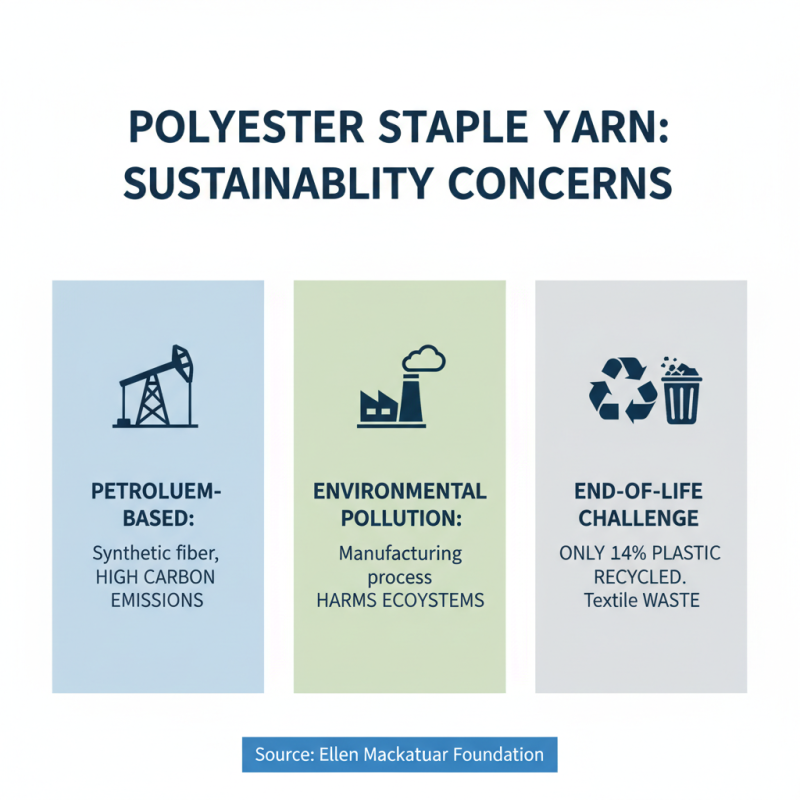
The sustainability of polyester staple yarn is a pressing concern in the textile industry. As a synthetic fiber, polyester is derived from petroleum. This process contributes to carbon emissions and increases environmental degradation. A report by the Ellen MacArthur Foundation notes that only 14% of plastic packaging is recycled globally. This statistic raises questions about the end-of-life management of polyester products.
While recycling initiatives are growing, the efficiency of these processes is not yet adequate. According to the Textile Exchange, around 10% of polyester is recycled into new fibers today. This figure highlights the need for significant improvements in the recycling infrastructure. Furthermore, microplastics from polyester textiles contribute to ocean pollution, affecting marine life and potentially human health.
Some sustainable alternatives exist, such as bio-based polyester produced from renewable resources. These options can reduce the reliance on fossil fuels. However, they also require more research and investment to scale effectively. The industry faces a paradox; while polyester offers durability and functionality, its environmental footprint cannot be ignored. These issues demand ongoing reflection to find viable solutions that balance performance and sustainability.




 No. 85 “Alexander Malinov” Blvd,
1715 Sofia, Bulgaria
No. 85 “Alexander Malinov” Blvd,
1715 Sofia, Bulgaria +359 2 953 0387
 sale@chemicalmojo.com