What is a Synthetic Textile Machine and How Does It Work?
Synthetic textiles have revolutionized the fashion and fabric industries, shaping how we produce and consume clothing. The demand for synthetic textiles is soaring. According to the Textile Exchange, synthetic fibers made up 62% of global fiber production in 2021, highlighting a significant shift. Enter the Synthetic Textile Machine, a key player in this transformation. These machines produce fabrics that are versatile and durable, fueling the rapid growth of the industry.
A Synthetic Textile Machine operates by converting raw materials into usable fabric. This process involves precise engineering and technology. However, challenges exist. The environmental impact of synthetic fibers is a growing concern. Recycling rates for these materials are low, necessitating innovations in textile machinery. Industry reports indicate that only 14% of synthetic textiles are recycled adequately, emphasizing a critical need for advancements.
While Synthetic Textile Machines enhance efficiency, ethical implications arise. Production often prioritizes speed and cost over sustainability. Manufacturers face scrutiny regarding labor practices and pollution. The future of synthetic textiles relies on balancing these factors. Developing eco-friendly machines may pave the way for a more responsible industry. Addressing these complexities will be vital for the textile sector's long-term success.
What is a Synthetic Textile Machine?
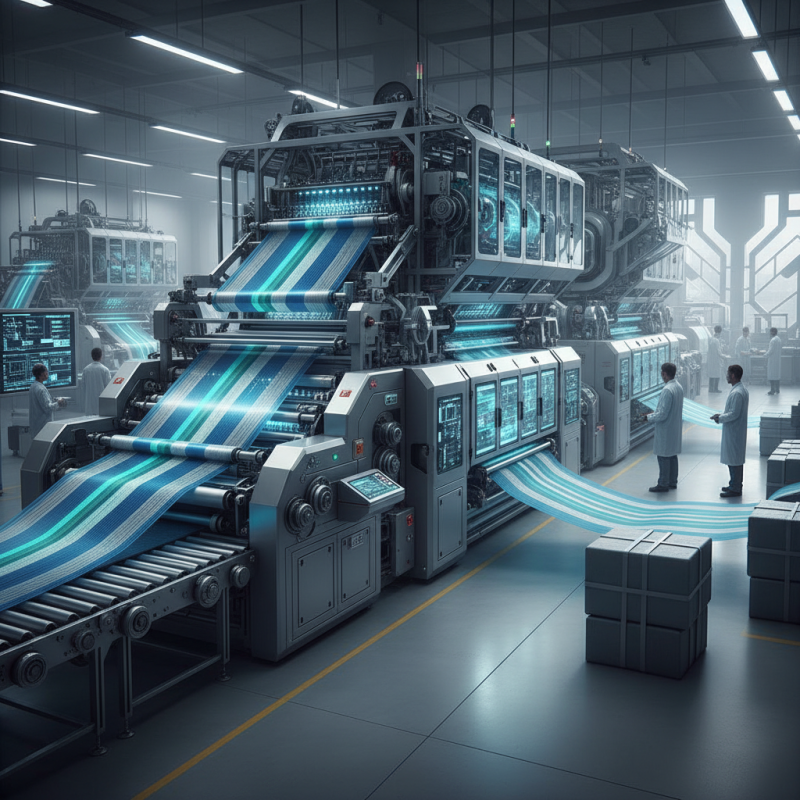
A synthetic textile machine is a sophisticated device used to produce fibers and fabrics made from synthetic materials. These machines play a pivotal role in the textile industry, allowing for mass production with consistent quality. By utilizing chemical processes, they create materials like polyester, nylon, and acrylic. Each type of synthetic fiber has unique properties catering to specific applications.
When operating a synthetic textile machine, precise control is critical. Temperature, pressure, and chemical ratios must be carefully monitored. Any slight deviation can result in flawed fabrics. Observing the machine's output closely is essential. Operators often perform manual checks to ensure the quality remains high.
Tips for successful operation include maintaining the machinery regularly. A well-maintained machine reduces wear and potential breakdowns. Additionally, continuous training for operators ensures they stay updated on best practices. They should feel comfortable identifying minor issues before they escalate. Sometimes, it's easy to overlook small details, but they can significantly impact production. Attention to these points leads to better results.
History and Evolution of Synthetic Textile Machines
The history of synthetic textile machines is deeply intertwined with industrial innovation. The early 20th century marked the emergence of synthetic fibers. Invented from petrochemicals, these fibers transformed the textile industry. By the 1950s, machines were adapted for mass production. Reports indicate that synthetic textiles now comprise over 60% of global fiber consumption. This shift was propelled by synthetic textile machines that increased efficiency and reduced costs.
Despite these advances, challenges remain. Many synthetic textile machines struggle with versatility. They often specialize in one type of polymer, limiting their application. A 2022 industry report highlighted that nearly 30% of manufacturers faced downtime due to machinery restrictions. This indicates a need for machines that can process multiple fibers. Additionally, the environmental impact of synthetic textiles raises concerns about sustainability.
Machines have improved greatly but still fall short in their eco-friendliness. The reliance on non-renewable resources presents a significant hurdle. Innovations in recycling technologies are necessary. However, the pathways to achieving efficient, eco-friendly processes are still unclear. The textile industry must address these issues for sustainable growth.
What is a Synthetic Textile Machine and How Does It Work? - History and Evolution of Synthetic Textile Machines
| Dimension | Description | Year Developed | Key Features |
| Filament Spinning | Process of creating continuous filaments from synthetic polymers. | 1930s | High-speed operation, low waste, and uniformity in production. |
| Weaving Machines | Machines used to interlace threads to form fabric. | Late 19th Century | Increased speed, automation, and patterning capabilities. |
| Knitting Machines | Devices for interlocking loops of yarn to create knitted fabrics. | 19th Century | Flexibility in designs and complex patterns. |
| Dyeing Machines | Used for coloring synthetic textiles uniformly. | 1950s | Efficiency in dye uptake and reduced environmental impact. |
| Finishing Machines | Machines that apply final touches to textiles, enhancing their properties. | 1960s | Improvement of fabric hand feel, durability, and appearance. |
Key Components of a Synthetic Textile Machine
Synthetic textile machines are essential in the production of various fabrics. They consist of several key components that work together to create synthetic fibers. These machines often include a feeding system, melting chamber, spinneret, and a cooling system. Each part plays a crucial role in ensuring the efficiency of fabric production.
The feeding system introduces raw materials into the machine. This stage requires precision to avoid waste. Next, the melting chamber heats the materials until they become liquid. Temperature control is vital here to prevent degradation. The spinneret then extrudes the liquid into fine fibers. This process demands attention to detail, as variations can affect fabric quality. Finally, the cooling system solidifies the fibers before they are collected and processed further.
Despite advancements, challenges remain. Machine malfunctions can disrupt production. Additionally, maintaining consistent material quality is a common issue. Factors like humidity and temperature can affect the final product. Reflecting on these elements can lead to improvements in textile manufacturing.
How Synthetic Textile Machines Operate Step-by-Step
Synthetic textile machines play a vital role in the modern textile industry. Understanding how they operate step-by-step can enhance efficiency.
The process begins with raw material feeding. Pellets of synthetic fibers are loaded into the machine. These fibers undergo melting and extrusion. The molten fibers are then spun into long strands. This is where precision matters. The temperature should be just right. Too high, and the fibers may degrade. Too low, and they won't form properly.
Next, the strands are cooled and solidified. This phase requires careful monitoring. Any mishap can lead to defects. After solidification, the strands are drawn and twisted. This strengthens the fibers, allowing for durability and flexibility.
**Tips:** Keep your machine clean. Regular maintenance prevents unwanted failures.
Finally, the continuous fibers are cut into manageable pieces. This stage is crucial for the final product. Ensure even lengths for uniformity.
**Tips:** Track your production metrics. Identifying issues early can save time and resources.
Synthetic Textile Machine Production Overview
Applications and Benefits of Synthetic Textiles in Fashion and Industry
Synthetic textiles play a crucial role in both fashion and industry. Reports indicate that the global synthetic textile market was valued at approximately $140 billion in 2020 and is projected to reach around $230 billion by 2027. This growth reflects the increasing demand for durable and versatile materials. The lightweight nature of synthetic fabrics offers advantages in clothing design. For instance, polyester is popular for its moisture-wicking properties, while nylon is favored for its strength.
In industrial applications, synthetic textiles are used for everything from airbags to conveyor belts. These materials often withstand extreme conditions better than natural fibers. Yet, the environmental impact of synthetic textiles cannot be ignored. Microplastics shed from these fabrics have emerged as a significant concern. Research suggests that synthetic textiles release about 500,000 tons of microfibers into oceans annually. This poses a challenge for sustainability in both fashion and industrial procurements. It calls for innovative solutions to reduce waste and improve recycling methods.


 No. 85 “Alexander Malinov” Blvd,
1715 Sofia, Bulgaria
No. 85 “Alexander Malinov” Blvd,
1715 Sofia, Bulgaria +359 2 953 0387
 sale@chemicalmojo.com