What are the Types of Textile Fibers for Global Sourcing?
The global textile industry is witnessing a transformative shift, driven by the diverse types of textile fibers used in production. Textile fibers, essential to creating fabrics, can be classified into natural and synthetic categories. According to the International Textile Manufacturers Federation (ITMF), global fiber production reached 111 million tons in 2021, with synthetic fibers dominating the market at approximately 70%.
Natural fibers, such as cotton, wool, and linen, have experienced fluctuating demand. Cotton, for instance, accounted for around 24% of global fiber consumption. On the other hand, sustainability trends propel the growth of innovative fibers like bamboo and hemp. These natural options present an eco-friendly alternative in an increasingly environmentally conscious market.
However, sourcing textile fibers poses challenges, including quality variations and market volatility. Brands must navigate these complexities to ensure a reliable supply chain. Understanding the characteristics of different fibers is crucial for making informed sourcing decisions. As market demands shift, companies must adapt to new trends while maintaining fabric quality and sustainability standards. The journey toward sourcing the right textile fibers continues to evolve, inviting ongoing reflection and strategic planning.
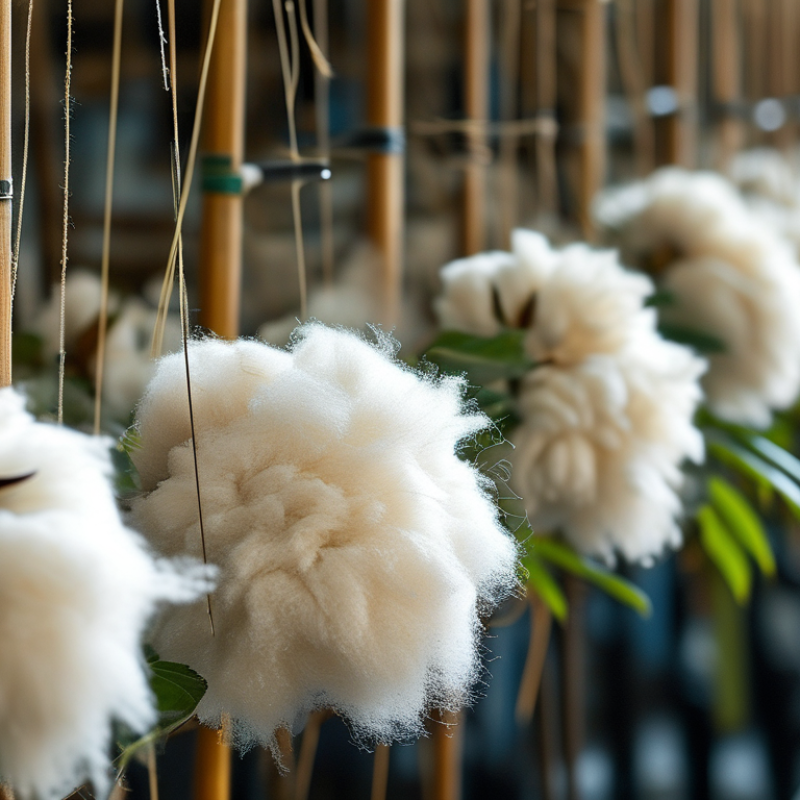
Types of Natural Textile Fibers Used in Global Sourcing
Natural textile fibers play a vital role in global sourcing. Cotton, for instance, accounts for nearly 25% of all fibers produced worldwide. Its softness and breathability make it highly preferred for clothing. However, environmental concerns arise due to water consumption in its cultivation. In contrast, linen, derived from the flax plant, is gaining popularity. It requires significantly less water and is biodegradable, appealing to sustainable brands.
Wool remains a staple in colder regions, providing insulation and durability. Merino wool, in particular, is known for its finer quality and comfort. Yet, the wool industry faces challenges, such as animal welfare issues. Hemp is another fiber worth noting; its rapid growth and minimal pesticide use are assets. Still, its rough texture often limits its applications in fashion.
Sustainability and sourcing trends highlight a shift towards eco-friendly fibers. Reports indicate a 15% increase in demand for organic fibers over the past five years. As such, companies must navigate a complex landscape of sourcing and production while considering ethical implications.
Types of Natural Textile Fibers Used in Global Sourcing
| Fiber Type |
Source |
Characteristics |
Uses |
| Cotton |
Cotton Plant |
Soft, breathable, absorbent |
Apparel, home textiles, industrial fabrics |
| Linen |
Flax Plant |
Strong, breathable, cool |
Clothing, tablecloths, bed linens |
| Wool |
Sheep |
Insulating, elastic, moisture-wicking |
Sweaters, suits, carpets |
| Silk |
Silkworms |
Luxurious, smooth, strong |
High-end clothing, upholstery, accessories |
| Hemp |
Hemp Plant |
Durable, antibacterial, UV resistant |
Clothing, textiles, paper |
| Bamboo |
Bamboo Plant |
Soft, biodegradable, antimicrobial |
Clothing, towels, home textiles |
Overview of Synthetic Textile Fibers in the Global Market
In the global textile market, synthetic fibers dominate due to their versatility and cost-effectiveness. These fibers include polyester, nylon, and spandex, offering unique properties that cater to various consumer needs. For example, polyester is known for its durability and resistance to wrinkles, making it popular in activewear.
When sourcing synthetic fibers globally, it's essential to consider their environmental impact. Many synthetic options are derived from petroleum, raising sustainability questions. While they offer excellent performance, brands must reflect on the ecological footprint. Striking a balance between quality and sustainability is critical.
Tips: Always research suppliers who prioritize eco-friendly practices. Look for certifications on sustainability. Engage with manufacturers to understand the sourcing of their materials. This knowledge can enhance product credibility.
Comparative Analysis of Textile Fibers for Sustainable Sourcing
The quest for sustainable textile sourcing involves understanding various fiber types. Natural fibers like cotton and linen have been used for centuries. They offer biodegradability and lower environmental impact. However, the production process can still be resource-intensive. Synthetic fibers, including polyester and nylon, are durable and versatile. Yet, they contribute to plastic pollution and are often derived from fossil fuels.
When sourcing fibers, consider environmental impact and ethical practices. Look for certifications like organic or Fair Trade. These labels can help identify sustainable options. Investing in recycled fibers can also be a smart choice. This not only reduces waste but promotes circularity in fashion.
Tips for sustainable sourcing:
1. Research the supply chain transparency of your materials.
2. Engage with suppliers about their sourcing practices.
3. Explore innovations in eco-friendly fibers, such as Tencel or hemp.
Small changes in fiber choices can lead to significant environmental benefits. Awareness and informed choices are essential for a more sustainable future in textiles.
Emerging Trends in Textile Fiber Sourcing and Innovation
The world of textile fiber sourcing is rapidly evolving. Innovation drives the market toward sustainable fibers, impacting various sectors. Recent data shows that the global sustainable textile fiber market is expected to reach $200 billion by 2027, growing at a CAGR of 8.5%. This reflects an increasing demand for eco-friendly materials as consumers prefer sustainable choices.
Natural fibers, such as organic cotton and hemp, showcase significant growth potential. Innovations in processing these fibers can reduce water usage and chemical dependency. For example, technologies that minimize water use in cotton farming have emerged, highlighting a crucial shift in sourcing strategies. Synthetic fibers are not left behind, with bio-based synthetics gaining traction. They offer a smaller carbon footprint compared to traditional polyester. The global bio-synthetic fiber market could exceed $18 billion by 2025.
However, not all advancements are straightforward. The sourcing of recycled fibers often lacks transparency. Issues with traceability exist, especially in complex supply chains. Brands face challenges in authenticating the recycled content in their products. This complexity can undermine consumer trust. As brands seek to innovate, these hurdles highlight the need for reliable systems and practices in textile sourcing.
Challenges and Opportunities in Global Textile Fiber Supply Chains
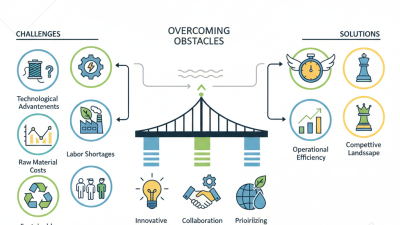
The global textile fiber supply chain faces persistent challenges. Fluctuating raw material prices continue to disrupt production. According to a recent market analysis, cotton prices rose by 30% in the last year alone. This volatility complicates planning for manufacturers and retailers alike.
Sourcing sustainable fibers presents both a challenge and an opportunity. Reports show that sustainable fibers, such as organic cotton and recycled PET, grow in demand. In 2022, the global market for recycled fibers was valued at approximately $5 billion, signaling a shift towards eco-conscious consumption. However, the supply of these fibers remains inconsistent and often limited.
Tips: Collaborate with suppliers who prioritize sustainability. Establishing long-term relationships can mitigate supply chain disruptions. Engage with industry experts to stay ahead of market trends and innovations. Emphasizing the importance of transparency can enhance trust within the supply chain.
Investing in technology for better forecasting could improve efficiency. Yet, many manufacturers still rely on outdated methods. While opportunities exist, navigating this complex landscape requires adaptation and a willingness to rethink traditional practices.



 No. 85 “Alexander Malinov” Blvd,
1715 Sofia, Bulgaria
No. 85 “Alexander Malinov” Blvd,
1715 Sofia, Bulgaria +359 2 953 0387
 sale@chemicalmojo.com